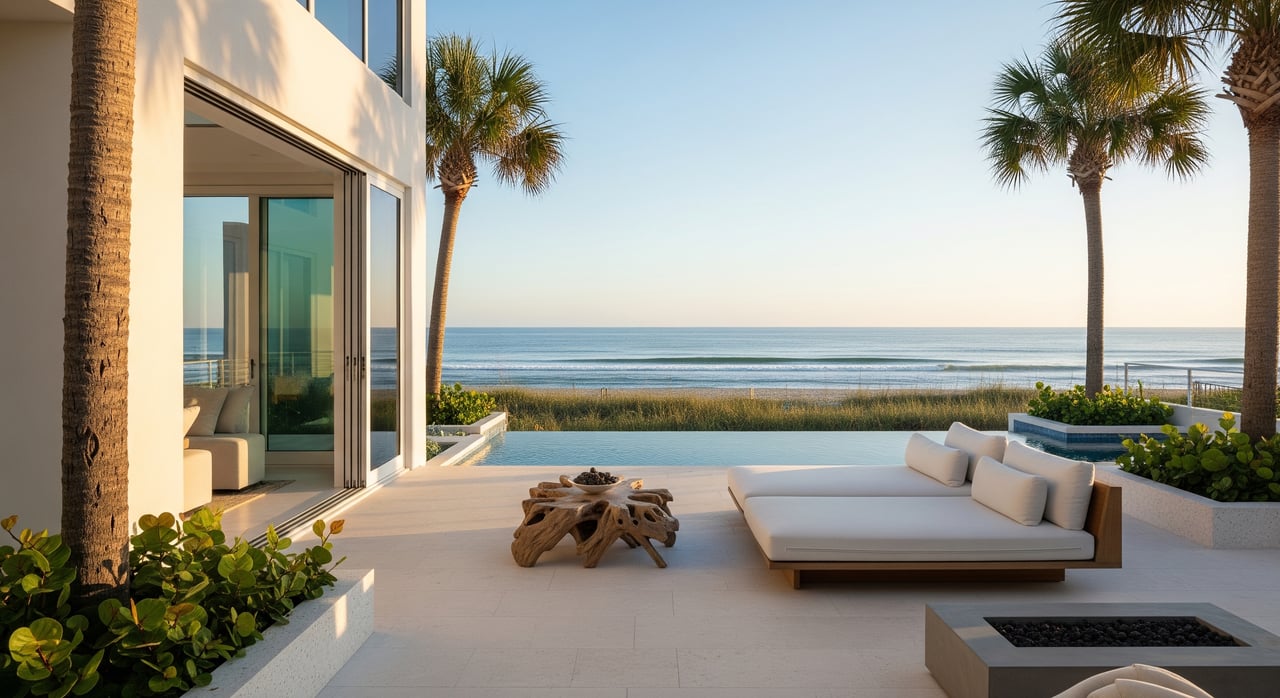
Imagine waking to the sound of rolling surf and a salty breeze that hits the screen the moment you crack a window. If you have been daydreaming about a move to Cocoa Beach, you probably want more than pretty photos. You want to know what daily life on the sand actually feels like, from sunrise routines to storm season realities. This guide gives you a grounded look at oceanfront living in Cocoa Beach so you can picture your days, plan for trade-offs, and decide if it fits your lifestyle. Let’s dive in.
Cocoa Beach basics
Cocoa Beach sits on a narrow barrier island bordered by the Atlantic Ocean on the east and the Indian River Lagoon and Banana River on the west. The city is compact, with a small downtown near the pier, residential streets that end at beach walkovers, and a mix of single-family homes and low- to mid-rise condos along the water. About 11–12 thousand residents live here, and the local vibe reflects surf culture, space industry influences, and seasonal tourism. You feel that rhythm most on launch days and in peak travel months when visitors arrive for beaches and rockets.
Daily rhythms on the sand
Life here starts early. With the ocean facing east, sunrise is the main show. You see walkers, runners, and surfers heading out while the light shifts pink and gold. Midday is about the water and wind. Some residents spend the heat of the day on the sand, while others paddle or fish the calmer river side. Evenings tend to shift west. Sunsets fall over the lagoon, and casual dinners near the main strip cap the day.
A quick day-in-the-life snapshot
- Morning: coffee on the balcony, a beach walk, and maybe a quick paddle or surf check.
- Midday: beach time, errands, or a drive across the causeway for bigger shopping runs.
- Evening: sunset over the river, a pier stroll, or a relaxed seafood spot with friends.
Beach access and amenities
Public beach access points are spread along the shore, and many neighborhoods have short walkovers right to the sand. Some oceanfront properties have private dune crossovers that feel like your own path to the water. During busy seasons, parking near popular stretches can fill quickly, so you learn the best times to go. Some areas have seasonal lifeguards and nearby restrooms or picnic spaces, but you should always confirm hours and availability before you head out. Accessibility support, such as beach wheelchairs or temporary access mats, may be offered through local programs. Check current availability with the city or local groups.
Dining and daily errands
Cocoa Beach’s commercial spine near the pier has surf shops, casual seafood restaurants, coffee spots, bars, and convenience options. For bigger grocery runs or broader retail, you often hop over to the mainland. Walkability varies block by block. In some pockets, you can grab a morning bagel and be back on your porch fast. In others, most errands are a short drive. Planning your day around tides, traffic, and launch schedules becomes second nature.
Recreation on ocean and river
The surf culture is strong. You will see boards on balconies and wetsuits on patios, and you will hear casual talk about swells and wind. On the west side, the lagoon and Banana River draw paddlers, anglers, and boaters who appreciate calmer water. Charter fishing and boating options operate from nearby ports, and weekend plans often blend both sides of the island. Community events pop up throughout the year. Surf contests, beach concerts, and rocket launches become shared moments that bring people outside to rooftops, driveways, and the sand.
Home types on the sand
Oceanfront living in Cocoa Beach can feel very different depending on what you buy:
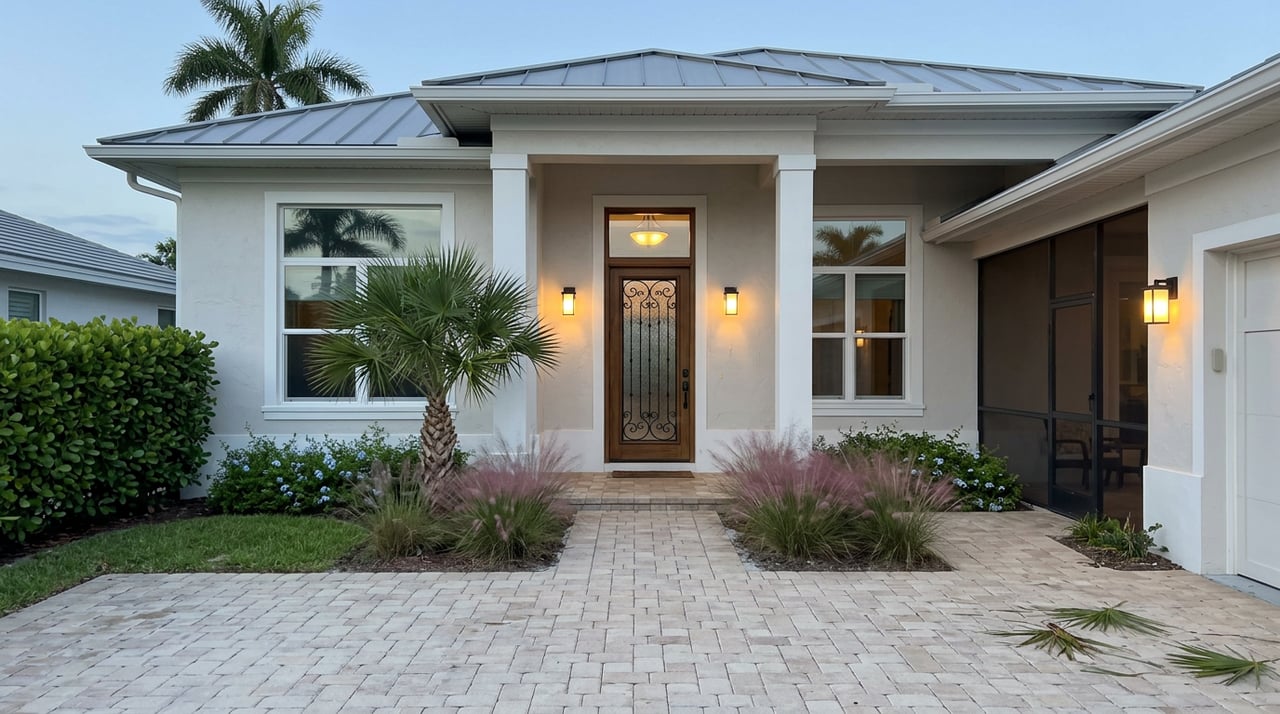
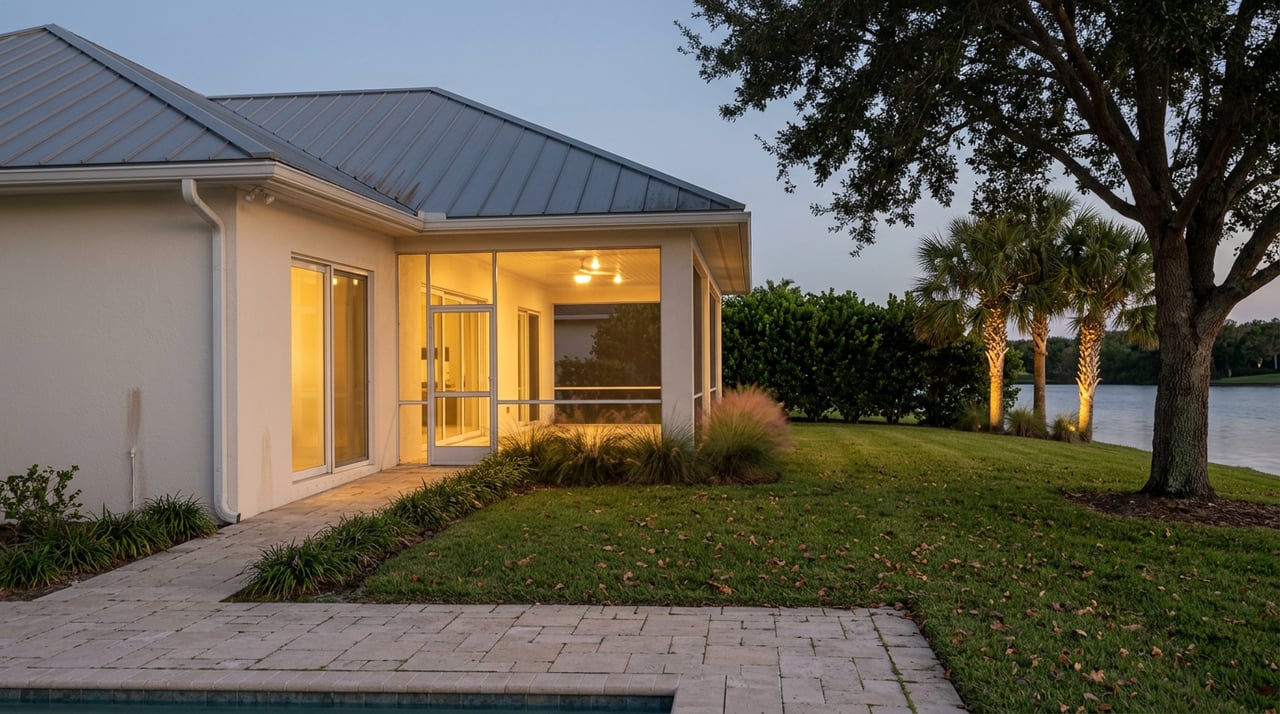
- Single-family oceanfront homes. You often get the most privacy, direct beach access, and big views. Many are elevated or built to newer wind and flood standards. You also manage more maintenance and generally higher insurance costs.
- Condos and townhomes. Buildings range from modest low-rises to mid-rise communities with shared amenities. HOAs handle many exterior tasks and keep common areas tidy, which reduces your personal upkeep. You live by community rules and fees, and rental activity can vary by building.
- Near-beach homes. Just a few streets back, you can be an easy walk or bike ride to the sand. There is often a little less salt spray than direct oceanfront, but coastal maintenance and flood considerations still apply.
Maintenance you should expect
Coastal living is beautiful and also practical. Salt, sun, and humidity shape your to-do list.
- Salt and sun wear. Metal hardware corrodes faster, paint fades sooner, and exterior finishes need attention. Plan for frequent washing and routine touch-ups.
- HVAC and indoor humidity. Mold and mildew are common coastal concerns. Dehumidification, regular HVAC service, and good ventilation are normal parts of upkeep.
- Roofs, decks, and railings. Choose corrosion-resistant materials and expect periodic inspections. Dune crossovers and exterior stairs show wear from salt, wind, and foot traffic.
A smart habit is to walk your exterior after storms and season changes. You catch small issues early and keep your place feeling fresh.
Insurance, floods, and rules
Flood risk is part of life near the ocean. Many oceanfront and near-ocean properties sit in FEMA flood zones where lenders typically require flood insurance. Wind coverage is also a key cost driver, and premiums can be higher than inland properties. Coverage options change, so get current quotes while you evaluate homes. When you renovate, expect to follow Florida’s coastal construction and wind-load codes. Elevated foundations, impact-rated openings, and tie-down systems are common features in newer builds. Short-term rental rules can vary by city and evolve over time. If rental income is part of your plan, review the City of Cocoa Beach’s latest regulations, licensing, and occupancy standards before you buy.
Seasons, storms, and wildlife
You enjoy a year-round outdoor lifestyle here. Winters are mild, and sea breezes help on hot summer days. Afternoon thunderstorms are common in summer. Hurricane season runs June through November, with higher risk late summer and early fall. Many residents install shutters or impact windows and keep supplies and plans in place each year. Tidal cycles matter too. King tides and sunny-day or nuisance flooding can cause temporary street flooding in low spots, which can affect parking or short-term travel. You also share the shoreline with wildlife. Sea turtle nesting typically runs May through October, and lighting practices and beach behavior adjust to support conservation. Night walks may feel dimmer due to recommended lighting standards, and some activities shift to avoid disturbing dunes and nests.
Who thrives here
Different buyers value different things. Thinking about your day-to-day helps you pick the right fit.
- The Dreamer or Weekend Escaper. You want views, breezes, and the pier nearby. You may accept a smaller unit or a busier building to be close to the action.
- The Surf-Focused Resident. Quick beach access and a like-minded community matter most. You might trade some privacy for a faster dawn patrol and easy board storage.
- The Family Seeking Everyday Beach Life. You look for simple pedestrian routes, parks, and flexible outdoor space. You balance peak-season crowds and higher carrying costs against year-round access to the sand.
- The Retiree or Low-Activity Resident. Quiet mornings and easy routines come first. Stairs in elevated homes may be a consideration, so condo elevators or ground-level living can be appealing.
- The Investor or Short-Term Rental Owner. You focus on seasonal demand and proximity to attractions. You also plan for regulations, management, and higher wear and tear.
Tips to choose your spot
Use these steps to match your lifestyle with the right Cocoa Beach property.
- Walk it at different times. Visit on a quiet weekday and a busy weekend. If you can, experience a launch day to see how crowds and traffic shift.
- Test beach access. Count steps to the nearest walkover and note parking and bike paths. If accessibility matters, ask about mats or wheelchairs at public access points.
- Ask the right questions. Request the elevation certificate, flood and claim history, last roof date, and details on any impact windows or shutters. If it is a condo, review HOA rules, fees, parking allocations, and short-term rental policies.
- Price your maintenance. Get quotes for HVAC service plans, exterior washing, and any immediate corrosion or paint work. Assess the condition of railings, decks, and dune crossovers.
- Get current insurance quotes. Flood and wind premiums change. Ask a local insurance professional for options on the specific address you are evaluating.
- Verify rules before you buy. If renting is in your plan, confirm current city requirements for vacation rentals, licensing, and occupancy.
Moments that make it worth it
The best parts of oceanfront living are often the small, sensory ones. Salt on your car door handle. The thrum of waves at night with a slider cracked open. A launch evening when neighbors gather outside, eyes up. Checking tide times before your beach walk and choosing your path by the feel of the breeze. The routines feel grounding, and weekends become simple when the beach is your backyard.
Next steps
If Cocoa Beach oceanfront life sounds like your kind of everyday, the next move is simple. Tour a mix of oceanfront and near-beach options, compare HOA vs single-family trade-offs, and collect real insurance and maintenance numbers for the addresses you like. A local advisor can help you line up showings across different micro-locations so you feel the difference between a busy pier-adjacent block and a quieter stretch a few streets down.
You deserve both the beauty of the beach and the clarity to plan with confidence. If you want a local team that knows the Space Coast and can help you weigh lifestyle details alongside construction quality and ownership costs, reach out to Megan Ross. Schedule a free consultation and start mapping the Cocoa Beach life that fits you best.
FAQs
What does daily life in Cocoa Beach oceanfront homes feel like?
- Expect sunrise walks, a strong surf and boating culture, casual dining near the pier, and seasonal crowds during peak tourism and rocket launches.
How close are Cocoa Beach homes to the sand and amenities?
- Many streets end at public beach walkovers, and some oceanfront properties have private crossovers; services cluster near the pier, with broader retail on the mainland.
What maintenance is typical for Cocoa Beach oceanfront properties?
- Salt and humidity increase corrosion and wear, so plan for frequent exterior cleaning, HVAC service, and regular checks on roofs, decks, and railings.
Do I need flood insurance for a Cocoa Beach oceanfront property?
- Many oceanfront and near-ocean homes lie in FEMA flood zones where lenders typically require flood insurance; confirm your specific address and get current quotes.
When is hurricane season in Cocoa Beach, and how do residents prepare?
- Hurricane season runs June through November, with many residents using shutters or impact windows and keeping annual emergency supplies and plans ready.
Are short-term rentals allowed for Cocoa Beach beachfront homes and condos?
- Local rules vary and can change; review the City of Cocoa Beach’s current regulations, licensing, and occupancy limits before you buy or advertise rentals.