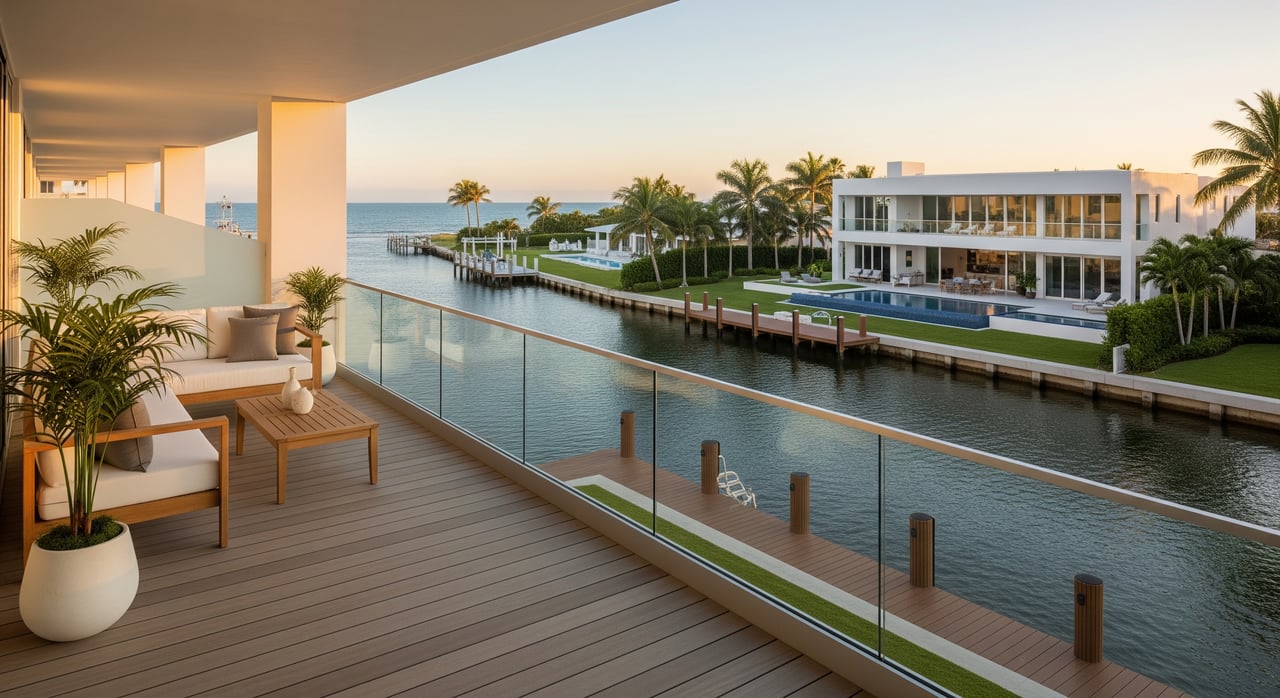
Should you chase sunrise ocean views or a private dock on the Banana River? If you are weighing a waterfront condo against a single-family home in Cocoa Beach, you are not alone. Each option offers a distinct mix of cost, maintenance, risk, and lifestyle. In this guide, you will learn the real trade-offs, what to budget for in Brevard County, and a practical checklist to help you decide with confidence. Let’s dive in.
Condo vs single-family at a glance
Cocoa Beach waterfront choices generally fall into oceanfront, intracoastal, and canal settings. Your decision comes down to how you want to live and what you want to manage.
- Condos: Lower day-to-day maintenance, shared amenities, higher HOA dues, and building rules that can limit pets or short-term rentals. Shared structural risk and master insurance are common.
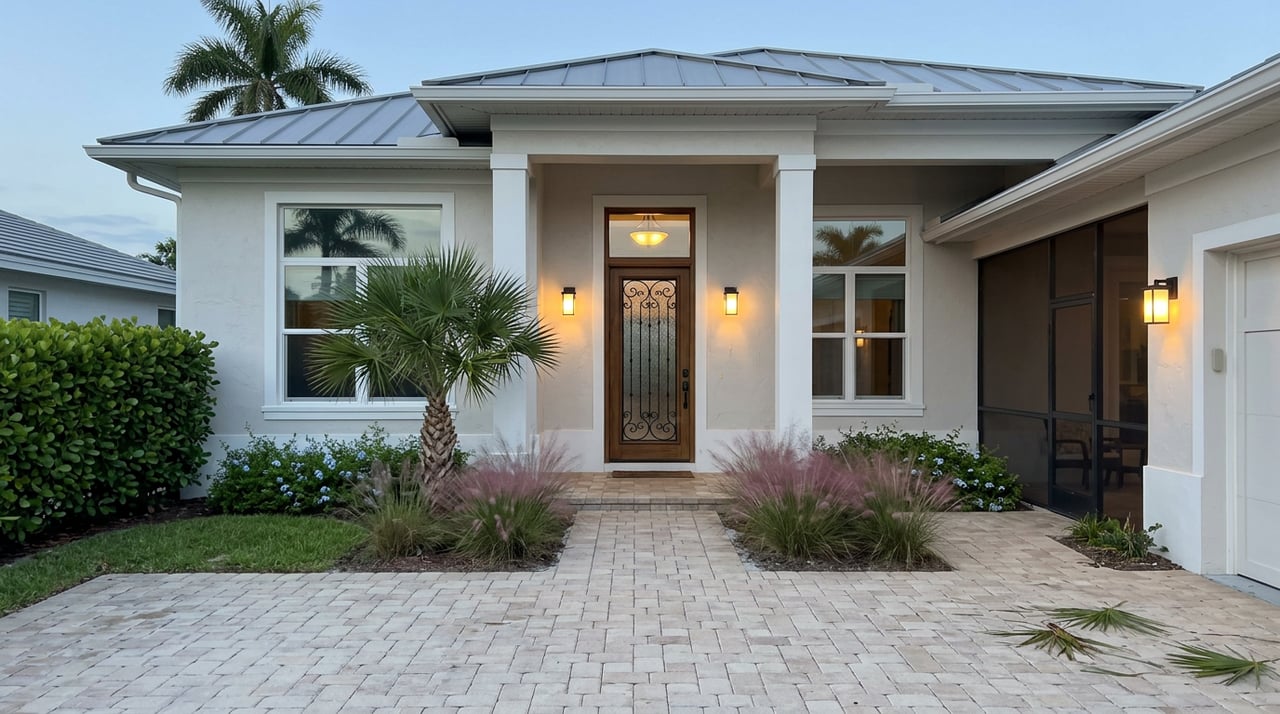
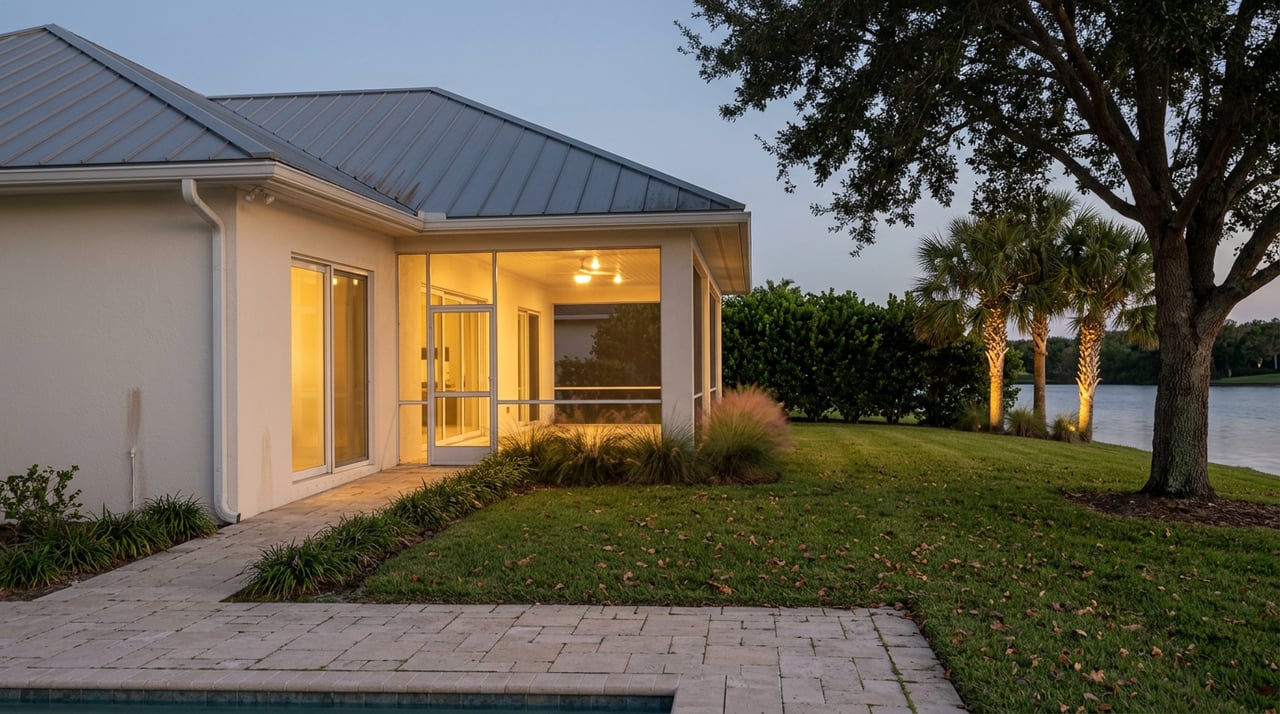
- Single-family homes: More control and privacy, potential for a private dock, and sole responsibility for seawalls, roofs, landscaping, and storm prep. Land ownership can support long-term value.
If you want a lock-and-leave lifestyle with on-site amenities, a condo may fit. If you prioritize outdoor space, customization, and boat control, a single-family home is often better.
What drives total cost in Cocoa Beach
Purchase price and market factors
Water type drives price. Oceanfront often commands the highest prices, followed by intracoastal, then canal frontage. Lot size, elevation, parking, and the presence of a dock or seawall also matter. In small coastal markets like Cocoa Beach, thin inventory and seasonal demand can add competition during peak months.
Property taxes
Brevard County assesses property taxes based on value, exemptions, and local millage rates. Primary residents can benefit from homestead exemptions. Before you write an offer, check assessed values and exemptions with the Brevard County Property Appraiser.
Insurance: homeowner, wind, and flood
Much of Cocoa Beach sits in FEMA flood zones, and many waterfront parcels are in Special Flood Hazard Areas. Lenders require flood insurance for properties in these zones. For condos, the association’s master policy typically covers the structure and common elements. You will still need an HO-6 policy for interiors, personal property, and loss assessment. For single-family, you insure the full structure and contents, often with separate hurricane deductibles. Given Florida’s changing insurance market, get quotes early and understand coverage options through the Florida Office of Insurance Regulation and Citizens Property Insurance. To confirm flood risk for a specific address, use the FEMA Flood Map Service Center.
HOA fees, reserves, and assessments
Condo dues cover common-area upkeep, master insurance, reserves, and amenities. In older beachfront buildings, salt exposure and capital projects can raise fees or lead to special assessments. Always review budgets, reserve studies, and recent meeting minutes. Single-family homes may have no HOA at all, but you are responsible for all exterior maintenance and long-term replacements.
Maintenance budgeting
Waterfront single-family ownership includes dock or seawall care, exterior painting, roof replacement, landscaping, and pest control. Many owners set aside a percentage of home value for annual maintenance, with higher targets for coastal exposure. Condo owners avoid exterior chores, but dues and possible assessments can match or exceed single-family maintenance in some buildings. Compare true total cost, not just monthly dues or a line-item repair estimate.
Risk and durability by the water
Hurricanes and flood zones
Expect wind exposure and potential storm surge along the barrier island. Elevation impacts both safety and insurance premiums. Ask for an elevation certificate and confirm the base flood elevation during due diligence. For surge and storm information, review NOAA’s hurricane and storm surge resources.
Seawalls and docks need regular inspections, and storms can trigger repairs. Single-family owners carry these costs directly. In condos, associations typically handle them and bill owners through dues or assessments.
Salt air and building age
Salt air accelerates corrosion and finish wear. Materials like impact-rated windows, stainless fasteners, and pressure-treated dock components can reduce long-term risk. Older buildings with deferred maintenance often face larger capital projects. Verify recent exterior work, waterproofing, balcony condition, elevator maintenance, and roof timelines.
Lifestyle and amenities
Condos: convenience and community
Many Cocoa Beach condos offer direct beach access, pools, fitness rooms, and on-site management. This suits seasonal residents and anyone who wants a simple routine. The trade-off is less control over decisions and possible rules on pets, parking, and rentals.
Single-family: space and control
With a house, you control landscaping, storage, parking, and outdoor kitchens. A private dock can be ideal for boating and paddle sports. You set your own schedule for projects and improvements.
Short-term rental realities
Cocoa Beach attracts vacationers, but unit-level rules and city or county regulations may limit short-term rentals. Many condo communities restrict or prohibit them. Always verify current policies with the association and the City of Cocoa Beach before you count on rental income.
Financing and due diligence
Condo lending is different
Some loans require condo project approval and may set rules on reserves and owner-occupancy rates. FHA and VA buyers should confirm project eligibility through the HUD condominium guidance and the VA Home Loans program. Lenders may also require buyers to show post-closing reserves that include months of HOA dues. Work with a lender experienced in Florida coastal and condo underwriting.
Title, easements, and coastal permits
Confirm who owns and maintains seawalls and docks. Look for public access easements or coastal protection rules that affect your plans. Verify that docks and seawalls were properly permitted and are up to code.
Inspection focus areas
For all waterfront properties, prioritize flood elevation, structural integrity, and mechanical systems. Inspect seawalls, pilings, and docks for corrosion or scour. In condos, review balconies, concrete, roofing, and elevator maintenance records. This is where a coastal-experienced inspector or engineer adds real value.
Association documents to review
For condos, request and review the declaration, bylaws, rules, current budget, reserve study, master insurance policies, litigation disclosures, delinquency rates, and planned projects. Ask about recent or pending special assessments and how the association will fund capital work.
Resale and long-term value
Scarcity can support values for single-family waterfront parcels, especially when land is unique or improved with deeded docks. Condos can be more sensitive to building-specific issues such as litigation, large assessments, or tightening insurance markets. For marketability, buyers often prioritize parking, deeded water access, dock slips, elevator access, and visible evidence of proactive maintenance.
Decision checklist for Cocoa Beach buyers
Bring this list to showings and ask for documentation where possible.
- Location and risk
- What type of water access is it: oceanfront, intracoastal, or canal? Is access direct or across a street?
- Exact FEMA flood zone and base flood elevation. Is there an elevation certificate?
- Any known flood claims or history of surge impacts?
- Ownership and control
- Condo or single-family? Who owns and maintains seawalls and docks? Any easements that affect use?
- For condos, request the declaration, bylaws, budget, reserve study, insurance, minutes, and assessment history.
- Insurance and recurring costs
- Obtain homeowner and flood quotes for the specific address.
- Confirm HOA dues, coverage, and any planned increases or assessments.
- Physical condition and inspections
- Condo: exterior maintenance records, recent concrete or waterproofing work, roof timeline, elevator service history.
- Single-family: roof age, HVAC age, seawall and dock reports, termite and wood-decay inspection.
- Financing and resale
- Will the condo meet FHA, VA, or conventional project standards if needed?
- What do comps show for similar properties in Cocoa Beach?
- What are the HOA or city rules for rentals and any minimum lease terms?
- Lifestyle fit
- Do you prefer turnkey living with amenities or private outdoor space and customization?
- Consider parking, guest access, and nearby activity levels.
What to do next
- Clarify your top priorities: full-time living or seasonal, desire for a private dock, comfort with HOA rules, and budget for recurring fees.
- Order a property-specific flood determination and request insurance quotes early to build a realistic monthly cost picture.
- For condos, collect the HOA documents and master policy, then review the reserve study and any planned projects.
- Schedule specialized inspections for structures and coastal systems like seawalls and docks.
- Speak with a lender who knows Florida condos and coastal wind and flood underwriting.
If you want help choosing between a specific condo and a single-family listing, we will run a side-by-side outline for you that includes purchase price, estimated property taxes, insurance quotes, HOA dues, and projected single-family maintenance. This comparative snapshot makes the decision much clearer.
You deserve both data and a trusted local guide. With deep Space Coast expertise, builder connections, and a proven track record of results, The Ross Group helps you buy with confidence. When you are ready to compare properties or numbers, connect with Megan Ross for a friendly, no-pressure consultation.
FAQs
What is the biggest cost difference for Cocoa Beach waterfront homes?
- Condos shift exterior costs into HOA dues and assessments, while single-family owners pay directly for items like roofs, docks, and seawalls.
How does flood insurance work for Cocoa Beach properties?
- Lenders require flood insurance for homes in FEMA Special Flood Hazard Areas, so verify the flood zone and elevation and get quotes early using the FEMA map tools.
Are short-term rentals allowed in Cocoa Beach condos?
- It depends on city rules and each association’s covenants, so confirm restrictions with the City of Cocoa Beach and the condo HOA before you buy.
What condo documents should I review before purchasing?
- Ask for the declaration, bylaws, rules, budget, reserve study, master insurance, recent minutes, litigation disclosures, and any special assessment details.
How do lenders treat condos vs single-family on the Space Coast?
- Condo loans may require project approval, specific reserve levels, and buyer cash reserves, while single-family loans are typically simpler to underwrite.