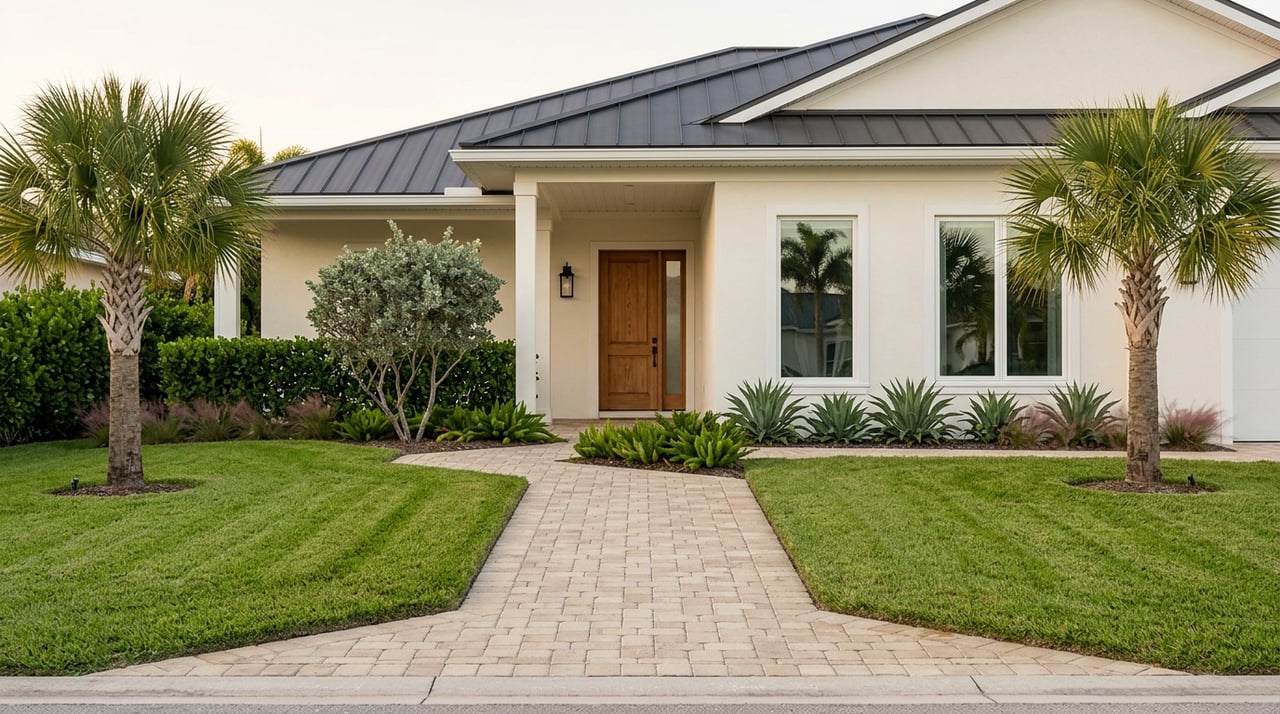
Thinking about owning a place near the ocean that you can enjoy now and potentially turn into an income-producing property later? In Cocoa Beach, that idea can be appealing, but it works best when you look past the beach view and study the numbers, rules, and seasonal realities. If you are considering a second home or investment property here, this guide will help you understand what to weigh before you buy. Let’s dive in.
Why Cocoa Beach attracts buyers
Cocoa Beach offers a mix of lifestyle appeal and rental potential that draws both second-home buyers and investors. It is a small barrier-island city with about 11,600 year-round residents, but seasonal residents, tourists, and visitors can push the area to about 30,000 people a day during tourist season.
That matters because demand in Cocoa Beach is shaped by both everyday residential living and visitor activity. For many buyers, the real question is not just whether they want a beach property, but whether that property can support their personal goals and fit local rental rules.
The area also reflects a higher-cost coastal market, not a low-price entry point. Census QuickFacts for 2020 through 2024 show an owner-occupied housing rate of 78.8% and a median owner-occupied home value of $503,200, which helps frame the level of investment you may be making.
Define your ownership goal first
Before you start touring homes or condos, get clear on how you plan to use the property. A true second home, a long-term rental, a short-term rental, or a flexible mix of uses can each lead to very different costs, compliance steps, and management needs.
If your plan is mostly personal use, your search may focus more on layout, location, maintenance, and convenience. If you want rental income, you need to think early about licensing, registration, taxes, occupancy limits, parking, and seasonal demand.
This early clarity can save you time and money. It also helps you avoid falling in love with a property that does not fit the way you actually want to own it.
Compare property types carefully
Condos and co-ops
For many buyers, condos and co-ops can offer a more lock-and-leave ownership style. That can be attractive if you live out of town and want a property that may be easier to manage when you are not in Cocoa Beach.
At the same time, your intended rental use matters. Florida DBPR treats vacation rentals differently depending on whether the property is a condominium or cooperative unit versus a single-family to four-family dwelling, and townhouses can also fall into the dwelling-license category.
Detached homes and townhomes
Detached homes and townhouse-style properties may offer more privacy, more parking, or a layout that fits your long-term goals better. But if short-term rental use is part of your plan, you still need to understand how city registration and state licensing apply to that specific property type.
In Cocoa Beach, vacation-rental regulation now applies citywide, and each vacation rental requires a separate registration. That means the property form is not just a lifestyle choice. It can directly affect how you operate the property.
Why the property form matters
A home that looks perfect on day one may come with a different compliance path once rental use enters the picture. That is why it helps to evaluate the property not only as a place to own, but also as an asset with local operating rules.
If you are buying a condo, building and association rules are a key due-diligence step. Even if city rules allow a use, association or building-level restrictions may still shape what is realistic for you.
Understand the real carrying costs
Many buyers focus on mortgage payment and insurance first, but a second home or investment property needs a fuller budget. In Cocoa Beach, small recurring costs and compliance expenses can add up, especially if you plan to use the property as a rental.
One major tax point is homestead status. In Brevard County, the homestead exemption can reduce taxable value by up to $25,000, but the property must be your permanent residence as of January 1, the application must be filed by March 1, and only one homestead exemption is allowed to an individual or family unit.
For a second home or investment property, you should generally underwrite without assuming homestead savings unless you truly plan to make that home your primary residence. That can make a meaningful difference in your annual ownership costs.
Cocoa Beach also has city utility-related carrying costs. The city’s stormwater fee schedule effective October 1, 2025 lists a single-family residential flat rate of $19.66 per month and a multi-family rate of $9.83 per unit.
Those figures are not the biggest line item in most budgets, but they still belong in your monthly worksheet. A smart purchase decision usually comes from understanding the full ownership picture, not just the headline price.
Budget for rental compliance costs
If you plan to operate the property as a rental business, city compliance costs need to be part of your math. Cocoa Beach requires a Business Tax Receipt, and the city notes a non-refundable $10 original application fee for that process.
The city also updated vacation-rental fees in 2025, including application, renewal, inspection, re-inspection, and transfer-related charges. The key takeaway is simple: compliance is not optional, and it is not free.
If you are comparing multiple properties, these costs can be helpful to include in your side-by-side analysis. Sometimes the better buy is the property that is easier to operate within the rules, not just the one with the nicest finishes.
Know the short-term rental tax picture
If you plan to rent the property for six months or less, taxes are a major operating expense. Florida’s state sales tax rate is 6%, Brevard County’s discretionary surtax rate is 1%, and Brevard County’s tourist development tax is 5% on these shorter rentals.
In practical terms, short-term rental guests generally face 12% in tax before platform or management fees. That means any income projection should account for the full tax structure, not just nightly rate assumptions.
Brevard County’s tourist-tax remittance office changed in 2025, so owners should verify where returns are filed now. This is another reason to build a clean, realistic operating plan before you buy.
Factor in seasonality and storms
Cocoa Beach ownership is strongly shaped by seasonality. Tourist season can bring a much larger daily population, and local tourism infrastructure exists specifically to support visitor activity and tourism-related revenue.
That can create periods of stronger demand, especially around cooler months, holidays, and school-break travel periods. But it also means your rental outlook may be more seasonal and event-driven than in a typical inland market.
The Atlantic hurricane season runs from June 1 through November 30. For buyers, that means late summer and fall may require more planning, more communication, and more flexibility around operations.
Cocoa Beach’s visitor emergency guidance notes that the city is on a barrier island and is vulnerable to flooding, storm surge, and mandatory evacuations. Flood, wind, and evacuation readiness should be treated as core ownership considerations from the start.
Review Cocoa Beach rental rules closely
If short-term rental income is part of your strategy, local rules should shape your decision before you go under contract. In Cocoa Beach, written rental agreements must state the maximum occupancy and vehicle limits, acknowledge evacuation orders, and include local information.
The city caps occupancy at the lesser of two occupants per bedroom plus two, or eight total. Vehicle limits are capped at four unless an approved parking plan and legal parking spaces support otherwise.
The city also expects a 24/7 phone contact for emergencies. These details matter because they affect how many guests a property can reasonably serve and how you plan for management.
In other words, your revenue projections should be based on real occupancy and parking limits, not on best-case assumptions. A property with limited parking or a smaller bedroom count may perform very differently than you first expect.
Ask these questions before buying
A smart Cocoa Beach purchase usually starts with disciplined due diligence. Before you move forward, ask yourself:
- Is this property meant to be a second home, long-term rental, short-term rental, or a mix of uses?
- Does the property type support the use I want under state rules and Cocoa Beach registration requirements?
- If it is a condo, what do the building or association rules say about rental use, fees, and restrictions?
- What do my real monthly and annual costs look like after taxes, stormwater fees, insurance, city fees, and any management costs?
- Does the property have enough legal parking for the guest profile I expect?
- Am I prepared for hurricane-season planning, evacuation communication, and possible booking interruptions?
These are the kinds of questions that protect you from buying based on emotion alone. They also help you find a property that truly matches your ownership goals.
Why local guidance matters
Buying in Cocoa Beach is rarely just about finding a nice coastal property. It is about matching your goals with the right property type, understanding the rules, and building a realistic ownership plan around costs and seasonality.
That is where strong local guidance can make a real difference. When you work with an agent who understands Cocoa Beach, Brevard County, and the practical details of coastal ownership, you can make decisions with more clarity and confidence.
Whether you are looking for a personal beach retreat, a long-term hold, or a property with flexible use potential, the best opportunities usually come from balancing lifestyle with numbers. If you want help evaluating the right fit in Cocoa Beach, Megan Ross can help you navigate the market with local insight and a clear strategy.
FAQs
What should you know before buying a second home in Cocoa Beach?
- You should review your intended use, expected carrying costs, homestead status, storm and flood considerations, and any local or building-level rules that could affect how you own or rent the property.
How are short-term rentals regulated in Cocoa Beach?
- Cocoa Beach requires separate registration for each vacation rental, written rental agreements with specific disclosures, occupancy limits, vehicle limits, and a 24/7 emergency contact.
Do second homes in Brevard County qualify for homestead exemption?
- In most cases, no. The homestead exemption is for a permanent primary residence, and only one homestead exemption is allowed to an individual or family unit.
What taxes apply to short-term rentals in Cocoa Beach?
- For rentals of six months or less, the combined tax burden is generally 12%, made up of Florida sales tax, Brevard County surtax, and Brevard County tourist development tax.
Why does parking matter for a Cocoa Beach investment property?
- Parking matters because Cocoa Beach limits vehicles for vacation rentals, and a property’s approved parking setup can directly affect how practical your guest occupancy plan will be.
Is Cocoa Beach better for lifestyle use or investment use?
- It can support either approach, but the best fit depends on your goals, the property type, local rules, real carrying costs, and how comfortable you are with seasonal demand and coastal operating realities.